
Grantmaking
Through strategic grantmaking, WHEF invests in organizations and initiatives that expand access, support completion, and connect education to meaningful work.

When the need is great but resources are limited, partnerships are critical. That belief has guided the Woodward Hines Education Foundation since it launched grantmaking in 2016. Each grant is an investment in closing the gap between talent and opportunity—supporting visionary partners who are working on the frontlines of education and workforce readiness in Mississippi and beyond.
What sets WHEF apart is its approach. We are a partner as much as a funder, providing technical assistance, facilitating shared learning among grantees, and co-creating solutions when challenges arise. Strategies are shaped by listening to the field, analyzing data, and identifying where resources can be most catalytic. WHEF seeks out ideas with long-term potential and helps grantees build the capacity to sustain and expand them.
From FAFSA completion efforts and Advanced Placement curriculum for rural students to developmental education redesign and statewide coordination for the Ascent to 55% goal, WHEF’s grants reach a diverse set of learners and institutions—including through Achieving the Dream: Mississippi and partnerships with HBCUs and rural community colleges. These investments help students not only access postsecondary education but also connect that education to meaningful, family-sustaining work.
By supporting work that is ambitious, inclusive, and rooted in local context, WHEF’s grants are helping transform Mississippi’s postsecondary landscape—one investment at a time.
Access and Entry
We invest in programs that strengthen the pipeline between high school and postsecondary education by improving college advising, sharing information on college options, and expanding access to financial aid.
What We Fund
WHEF’s grantmaking is focused on three core areas—all pointing toward Mississippi’s Ascent to 55% attainment goal.
Persistence and Completion
We support efforts that increase the likelihood of degree or credential attainment. These include initiatives that improve course completion, credit accumulation, student transfer pathways, and support for working students.
Connection to Family-Sustaining Work
We fund initiatives that align postsecondary education with workforce needs, foster partnerships with business and industry, connect students with critical work skills, and expand learn-and-earn opportunities.
“We know our grants can’t solve every challenge, but when paired with the expertise and commitment of our partners, they can transform systems and lives.”

– Jim McHale, President and CEO, WHEF
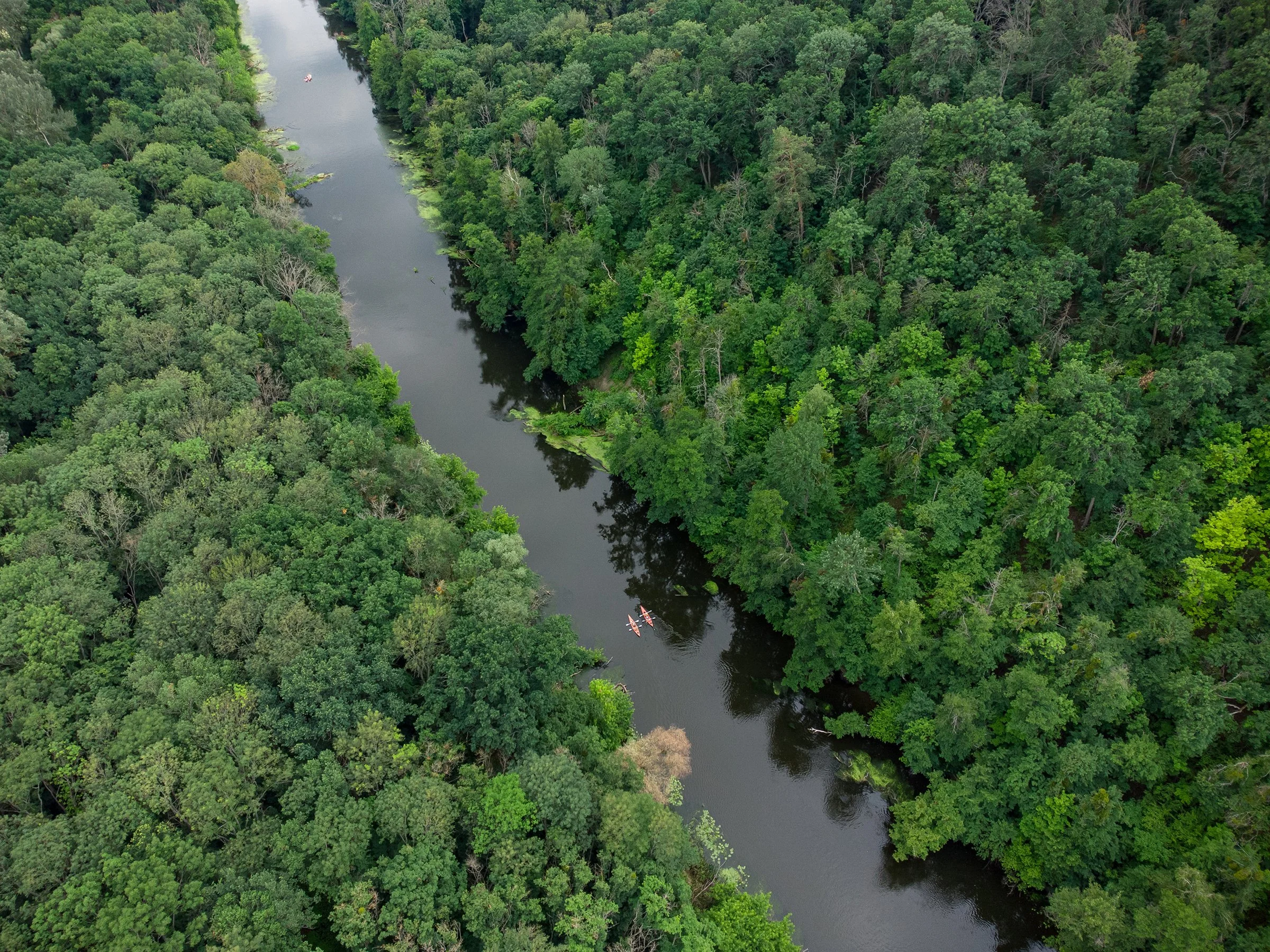

In 2022, WHEF awarded a $50,000 grant to the Mississippi State University Foundation to recruit and retain underrepresented students in the College of Forest Resources (CFR). In 2024, WHEF provided an additional $50,000 grant to build on the effort’s early success, deepening the impact of this work.
The CFR equips graduates for in-demand careers in forestry, timber management, wildlife and fisheries biology, conservation, and environmental science—fields where Mississippi offers abundant opportunities for family-sustaining work. Nearly every degree program reports 100% job placement, yet the pipeline of graduates remains too small to meet employer demand. Diversity in these professions is also limited, with fewer than 3% of conservation scientists nationally identifying as minorities.
WHEF’s support is helping to change that trajectory. From fall 2022 to fall 2024, non-white enrollment in CFR increased by 26%, including a 13.6% increase among Black students. Retention has also been strong: in 2023, 100% of Black students in the CFR persisted from fall to spring, compared with an 84.6% rate across MSU.
By investing in efforts to broaden participation in forestry and natural resource programs, WHEF is strengthening Mississippi’s workforce and ensuring that the benefits of these growing fields are accessible to more students and communities.